Iceland Private Tours
Iceland Private Tours, Tailored to You
We Custom Design your Iceland Journey
Icelandic local travel experts with 20 years of experience and in-depth knowledge will help you plan your Iceland adventure.
We specialize in Iceland private tours that are tailored to your interests, pace, and style. Let us know what’s on your wish-list, and we’ll custom design a vacation in Iceland just for you.
To get started, simply tick some of the boxes below, fill out the easy form, and we’ll send you a personalized idea — normally within 24 hours. Then we can fine-tune it together so you get the best possible Iceland experience.
Great experience
Airport Transfer
Luxury & Comfort from Arrival to Departure
Enjoy seamless private transfers from KEF airport in our luxury Mercedes-Benz sedans and V-Class vehicles. Personalized service ensures a smooth start and end to your Icelandic journey.
Go Anywhere!
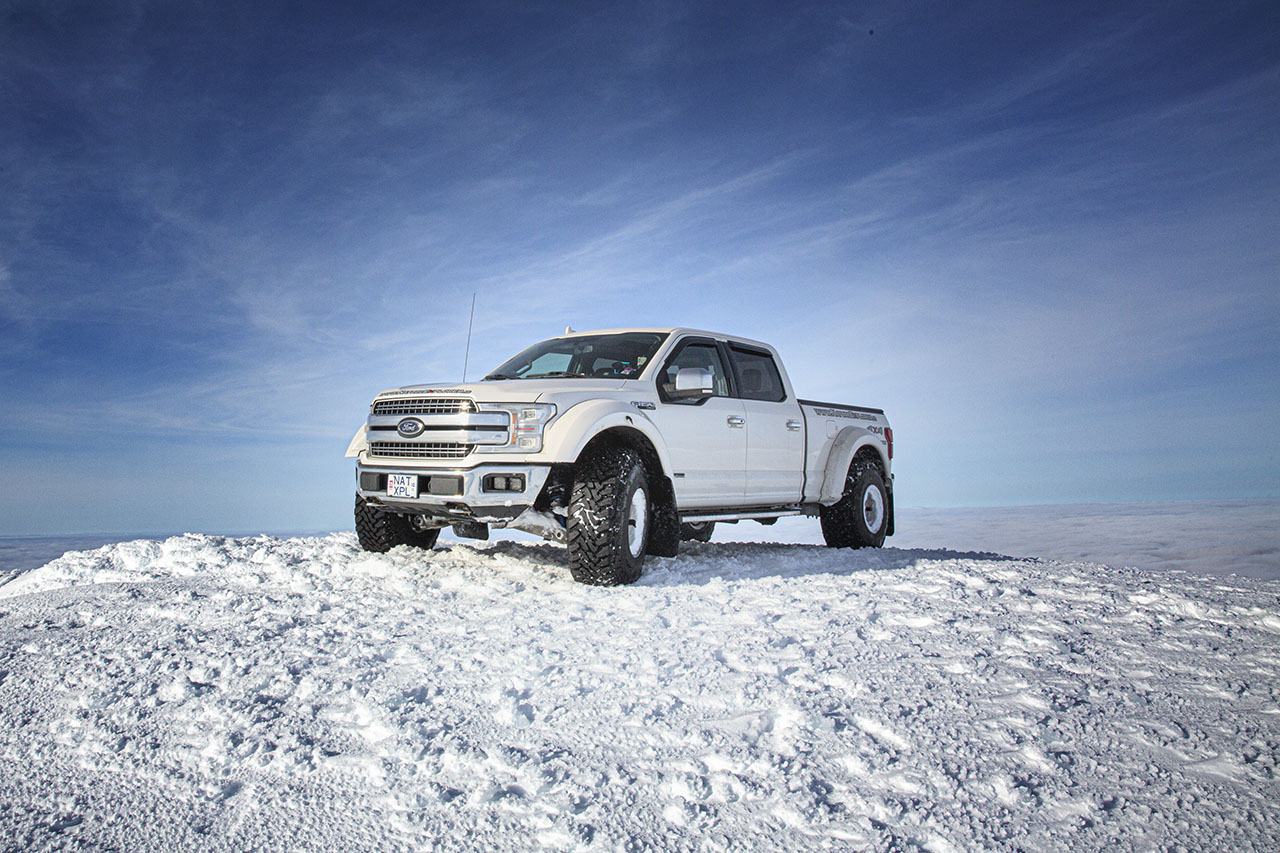
Explore Iceland in Our Luxury Super-Trucks
Cross rivers, conquer glaciers, and venture deep into the highlands—our powerful super-trucks take you where others can’t, combining adventure with premium comfort.
Whole Trip was Fabulous
“From start to finish the whole trip was fabulous, Our driver/guide Gylfi read us really well and we went into the interior and he found us such amazing places away from the normal tourist route.
He spent some time walking with us which was good but left us to do our own thing when it suited. So perfect. took a packed lunch as facilities are scarce. The Hotel Skogafoss was really good with an excellent breakfast and we were able to get to the falls in jut 5 mins.
The south coast near Vik was breathtaking as it as really windy but awesome. the 2 days were really well organised for us and we can’t thank Hawk and his team enough for making the trip so good and easy to arrange. Also we managed good weather and we will be booking again for next year.”